Vitamins and Minerals: Essential Micronutrients
While needed in smaller quantities than macronutrients, vitamins and minerals are essential for countless bodily functions including energy metabolism, immune response, bone formation, and tissue repair. Understanding common micronutrients and their natural food sources supports informed dietary choices.
Key Vitamins and Functions
Vitamin A
Function: Vision, immune function, skin health, antioxidant protection
Sources: Sweet potatoes, carrots, spinach, kale, liver, eggs
Vitamin C
Function: Collagen formation, immune support, antioxidant protection, iron absorption
Sources: Citrus fruits, berries, bell peppers, tomatoes, broccoli, kiwi
Vitamin D
Function: Calcium absorption, bone health, immune regulation, cellular growth
Sources: Fatty fish, egg yolks, mushrooms, sunlight exposure, fortified products
Vitamin E
Function: Antioxidant protection, cellular health, immune support
Sources: Nuts, seeds, vegetable oils, spinach, avocados
Vitamin B1 (Thiamine)
Function: Energy metabolism, nerve function, carbohydrate processing
Sources: Whole grains, legumes, pork, sunflower seeds, mushrooms
Vitamin B12
Function: Red blood cell formation, nerve function, DNA synthesis, energy metabolism
Sources: Meat, fish, poultry, eggs, dairy, fortified plant-based foods
Major Minerals and Their Roles
Minerals work alongside vitamins to support physiological processes. Calcium, magnesium, zinc, and selenium are particularly relevant for men's overall function and daily well-being, supporting bone health, immune response, and metabolic processes.
Essential Minerals
- ✓ Zinc: Supports immune function, protein synthesis, wound healing. Found in oysters, beef, pumpkin seeds, legumes.
- → Magnesium: Supports muscle function, nerve transmission, energy production. Found in spinach, almonds, legumes, whole grains.
- ✓ Selenium: Antioxidant protection, thyroid function, immune support. Found in brazil nuts, fish, poultry, eggs.
- → Calcium: Bone strength, muscle contraction, nerve signaling. Found in dairy, leafy greens, fortified foods, legumes.
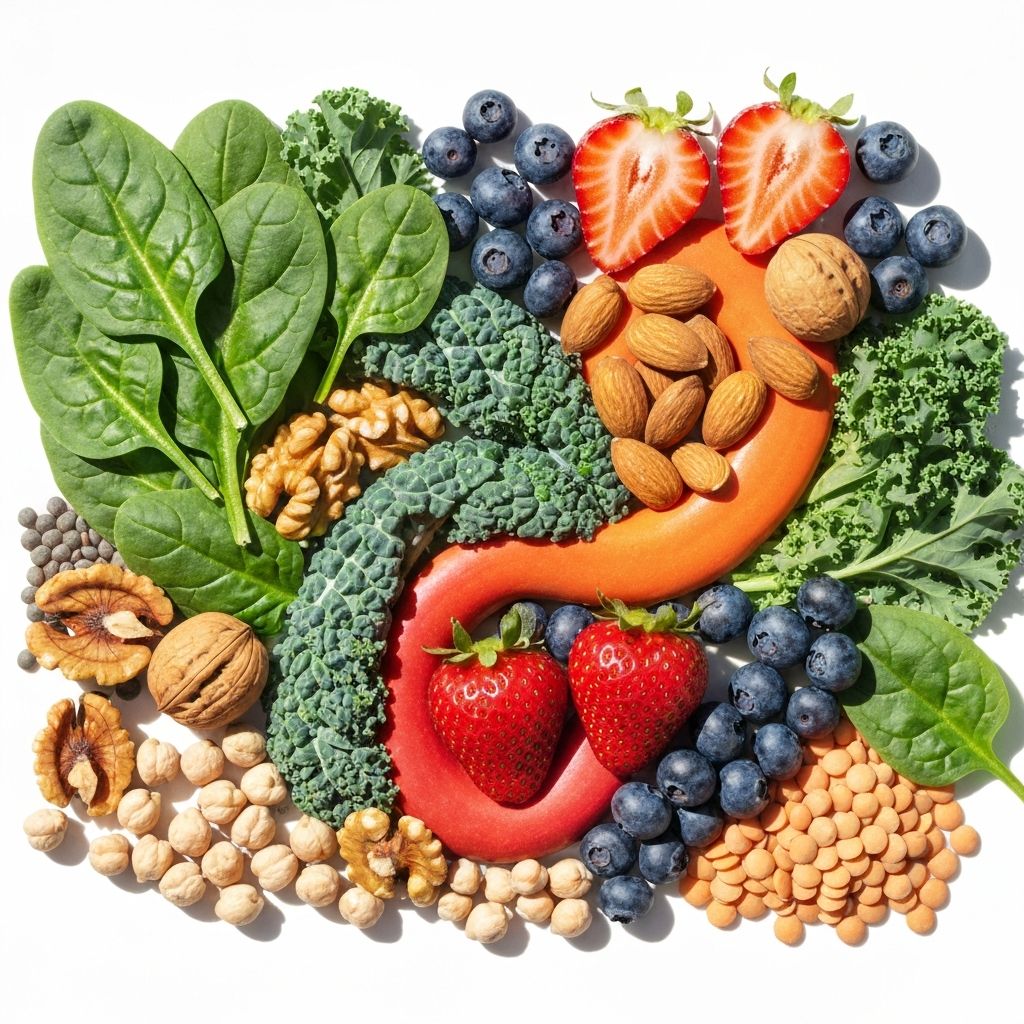
Quick Reference: Micronutrient Functions
| Nutrient | Primary Functions | Key Food Sources |
|---|---|---|
| Zinc | Immune function, wound healing, taste perception | Oysters, beef, pumpkin seeds, legumes, nuts |
| Magnesium | Muscle relaxation, energy production, nervous system support | Spinach, almonds, legumes, whole grains, avocados |
| Iron | Oxygen transport, energy production, immune function | Red meat, poultry, legumes, spinach, fortified grains |
| Selenium | Antioxidant protection, thyroid function, immune support | Brazil nuts, fish, poultry, eggs, mushrooms |
| Potassium | Heart rhythm, muscle contraction, blood pressure regulation | Bananas, potatoes, spinach, beans, avocados |
Optimizing Micronutrient Intake Through Whole Foods
- Consume a variety of colorful vegetables to access diverse vitamins and minerals
- Include whole grains rather than refined grains for sustained nutrient density
- Incorporate diverse protein sources including fish, legumes, and plant-based options
- Eat vegetables raw and cooked, as cooking affects nutrient availability differently
- Include nuts, seeds, and healthy oils for fat-soluble vitamin absorption
- Maintain consistent dietary patterns rather than relying on isolated supplements within whole-food context
Nutrient Synergy
Vitamin C and Iron Absorption
Consuming vitamin C-rich foods alongside iron sources enhances iron absorption. For example, combining spinach salad with citrus dressing or red bell peppers with legumes optimizes nutrient utilization.
Vitamin D and Calcium
Vitamin D enables calcium absorption. Including both nutrients through food sources—such as fatty fish providing both, or consuming fortified dairy products—supports bone health more effectively than isolated consumption.
Fat-Soluble Vitamins and Dietary Fat
Vitamins A, D, E, and K require dietary fat for absorption. Consuming vegetables like spinach with olive oil or carrots with nuts improves nutrient availability beyond consuming them separately.
Contextual Information
This section explains micronutrient functions and food sources for general educational purposes. Individual micronutrient requirements vary based on age, activity level, health status, dietary patterns, and life circumstances. This content does not provide personalized nutritional assessments or supplementation recommendations. For specific concerns about micronutrient status, consultation with healthcare professionals is appropriate.
Explore Related Topics
Deepen your understanding of nutrition through related resources.
Learn About MacronutrientsEducational content only. No promises of outcomes.